Insect netting is an eco-friendly crop protection solution that prevents pests while maintaining airflow and light transmission. Learn how agricultural insect mesh improves yield and reduces pesticide use.
What Is Insect Netting?
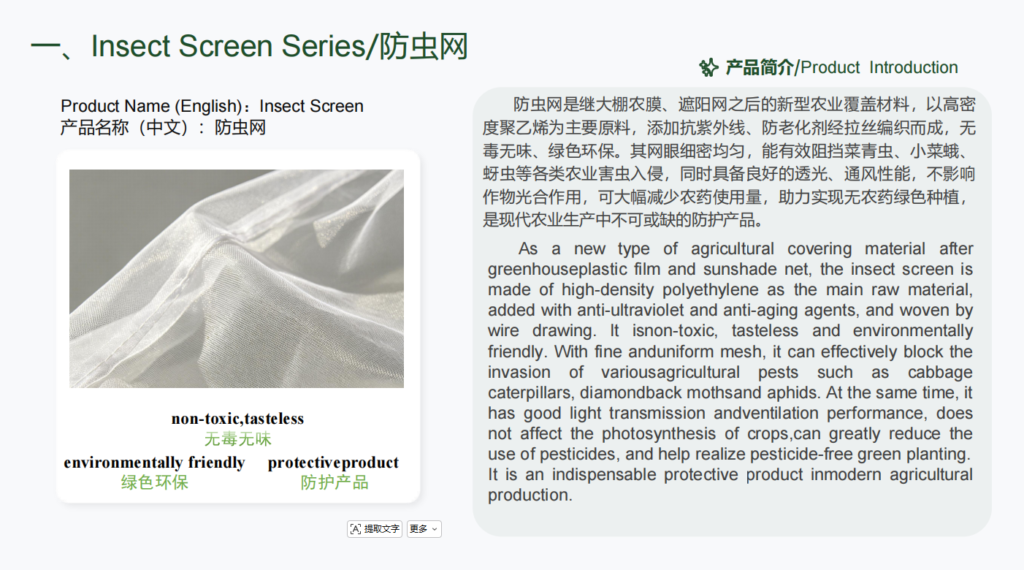
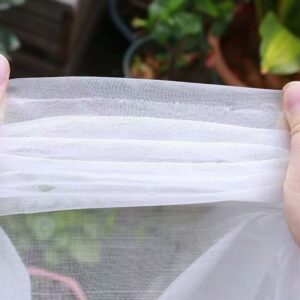
Insect netting is a protective mesh designed to physically block harmful pests from reaching crops while still allowing air, light, and water to pass through.
It is widely used in modern agriculture, greenhouse production, and row crop farming as a key part of integrated pest management (IPM).
Made from durable polyethylene materials, insect netting provides long-term protection against insects, birds, and small animals without relying on chemical pesticides.
Key Benefits of Insect Netting
Effective Pest Protection
Insect netting creates a physical barrier that prevents pests such as:
- Aphids
- Whiteflies
- Leaf miners
- Caterpillars
- Thrips
This helps reduce crop damage and improves overall yield quality.
Reduce Chemical Pesticide Use
By blocking pest entry naturally, farmers can significantly reduce pesticide applications, supporting:
- Organic farming
- Eco-friendly agriculture
- Chemical-free crop production
Maintain Airflow & Light Transmission
Unlike plastic covers, insect mesh allows:
- Proper ventilation
- Natural sunlight penetration
- Water permeability
This ensures healthy crop growth without overheating or humidity buildup.
UV Resistant & Long Service Life
High-quality insect netting is treated with:
- Anti-UV additives
- Anti-aging protection
- Weather resistance
Typical lifespan: 3–5 years or more depending on environment
Technical Features (Advanced Insect Screen)
Modern insect netting may include:
- Fine mesh structure (commonly 40–50 mesh)
- Optical reflection technology (aluminum strip reinforcement)
- UV-blocking additives
- Anti-dust coating
These features help:
- Deter insects before contact
- Improve cooling effect inside greenhouse
- Enhance crop protection efficiency
Applications of Insect Netting
🌾 Row Crop Protection
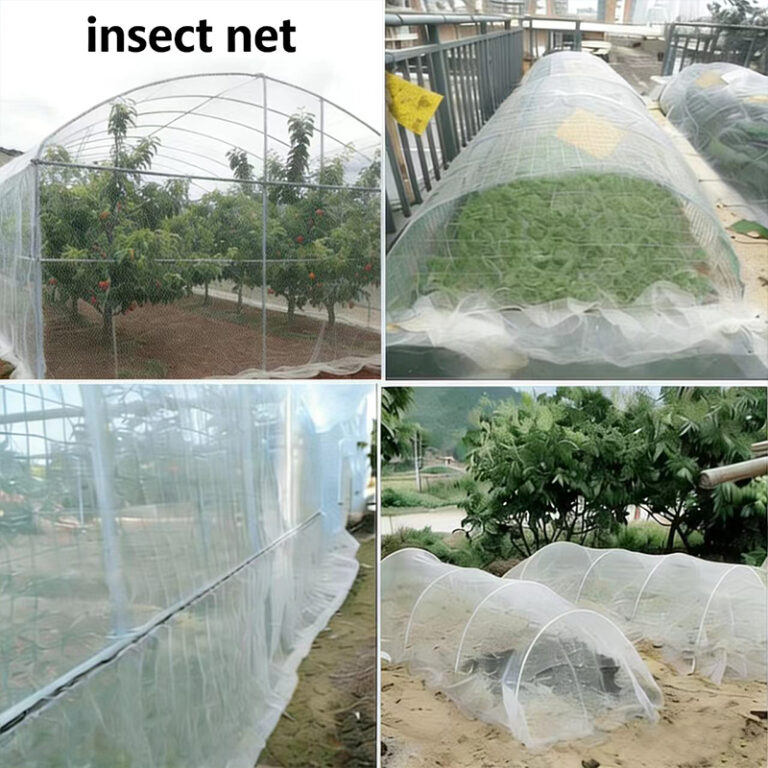
Used directly over crops with hoops or ground anchoring systems to prevent pest invasion during early growth stages.
🏡 Greenhouses & Hoop Houses
Installed on ventilation openings, sidewalls, and doors to prevent insects from entering protected environments.
🌱 Seed Production
Helps control cross-pollination and maintain crop purity by isolating plants.
🐝 Beneficial Insect Management
Can also help retain beneficial insects such as ladybugs and lacewings inside controlled environments.
Installation Methods
Insect netting can be installed using:
- Ground anchoring (sandbags, soil, stones)
- Hoop support structures
- Spring lock channel systems (greenhouse vents)
- Sidewall ventilation covering
For best results, ensure:
- No gaps at ground level
- Full sealing around edges
- Proper tension to avoid damage
When Should Insect Netting Be Installed?
The best time to install insect netting is:
- Immediately after transplanting
- Early crop growth stage
- Before pest population peaks
This ensures maximum protection and prevents pest establishment.
Why Insect Netting Matters for Modern Farming
Insect netting is becoming a critical tool in sustainable agriculture because it:
- Improves crop quality
- Reduces chemical dependency
- Increases yield stability
- Supports organic farming trends
- Lowers long-term production cost
It is an essential component of modern IPM (Integrated Pest Management) systems worldwide.
Conclusion
Insect netting is no longer optional for high-value agriculture—it is a core protection technology for modern farming systems.
By combining physical pest exclusion with environmental protection, it helps farmers achieve healthier crops, higher yields, and more sustainable production.